
See what works in the world's smart cities
Urban Tech Map gathers the projects, people and evidence behind urban innovation worldwide in one place, so that no city has to start from scratch.
Why this map
Cities keep solving the same problems alone
- 01
Pilots end, lessons vanish
Cities everywhere test sensors, apps and data platforms, often on a public grant. Most pilots stop when the money runs out, and what they learned rarely reaches the next city.
- 02
One map of what is happening
We bring the ecosystem together: the cities and countries, the organisations behind the technology, the projects that ran and the reports that judged them. AI helps us read and connect it all; people review what we publish.
- 03
Start from what worked
So a city planning a digital twin, a mobility hub or an open-data portal can see who has done it before, what worked, what stalled and whom to ask, before spending a euro.
What you will find here
The library
Reports, organisations, projects and events from cities around the world, each with a short summary and a link to its source.
Cities and countries
What each city is trying and what it delivered, and who holds which lever in each country.
Deep dives
Long reads on what works and what stalls, every number linked to its source. Read them, or listen.
A community
City teams, start-ups and researchers who share what they know. Join, add a resource or tell us about your project.
- City teams
- Chief digital officers
- Start-ups and companies
- Researchers
- Funders
- Curious residents
Deep dives
All deep dives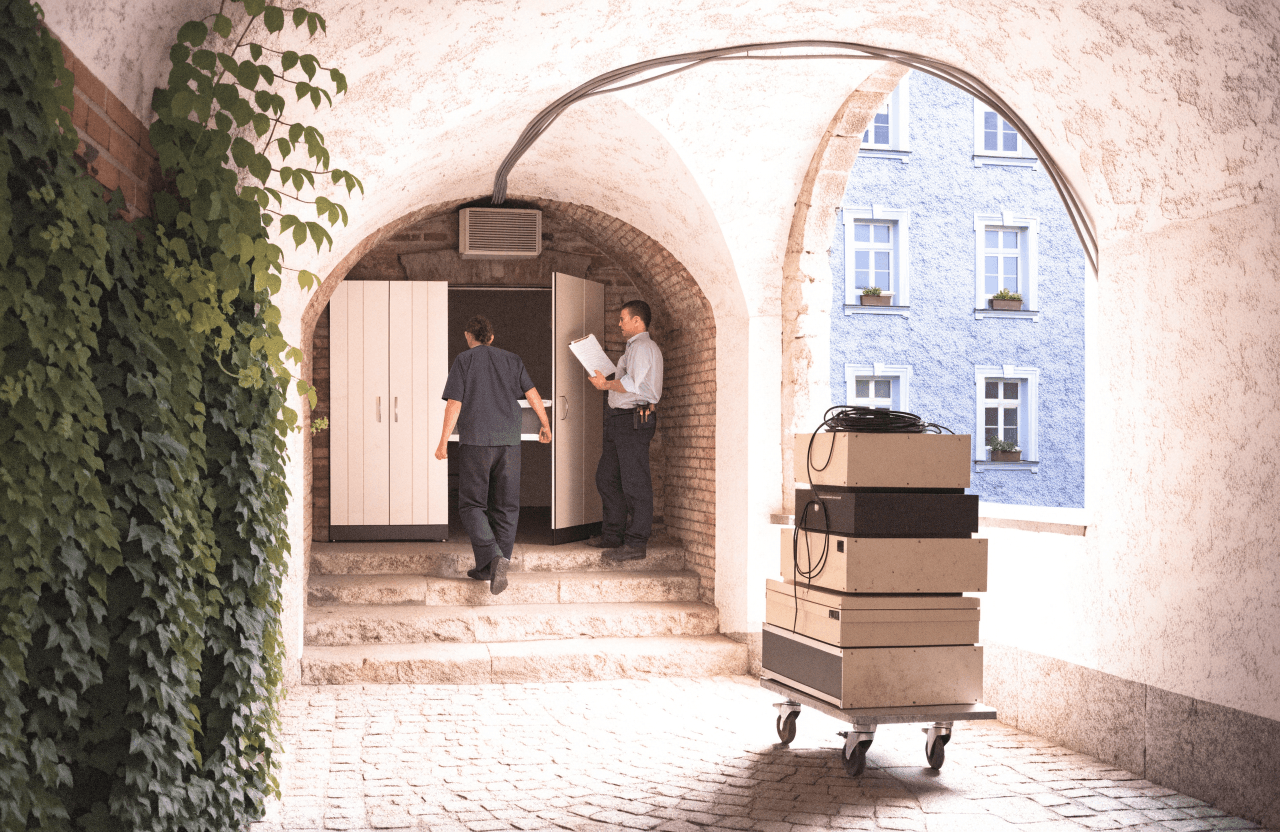
Digital autonomy, from Amsterdam to Bern
Who owns the city's computers?
Amsterdam has a ten-year plan to move off foreign clouds, starting with 30% European cloud services by 2030. The Netherlands is designing an open-source government cloud; Switzerland is building its own for CHF 319 million, before migration costs. London's policing office turned down a Palantir contract the Met had proposed. What cities are doing about dependence on a few suppliers, what it costs, and how far they have got.
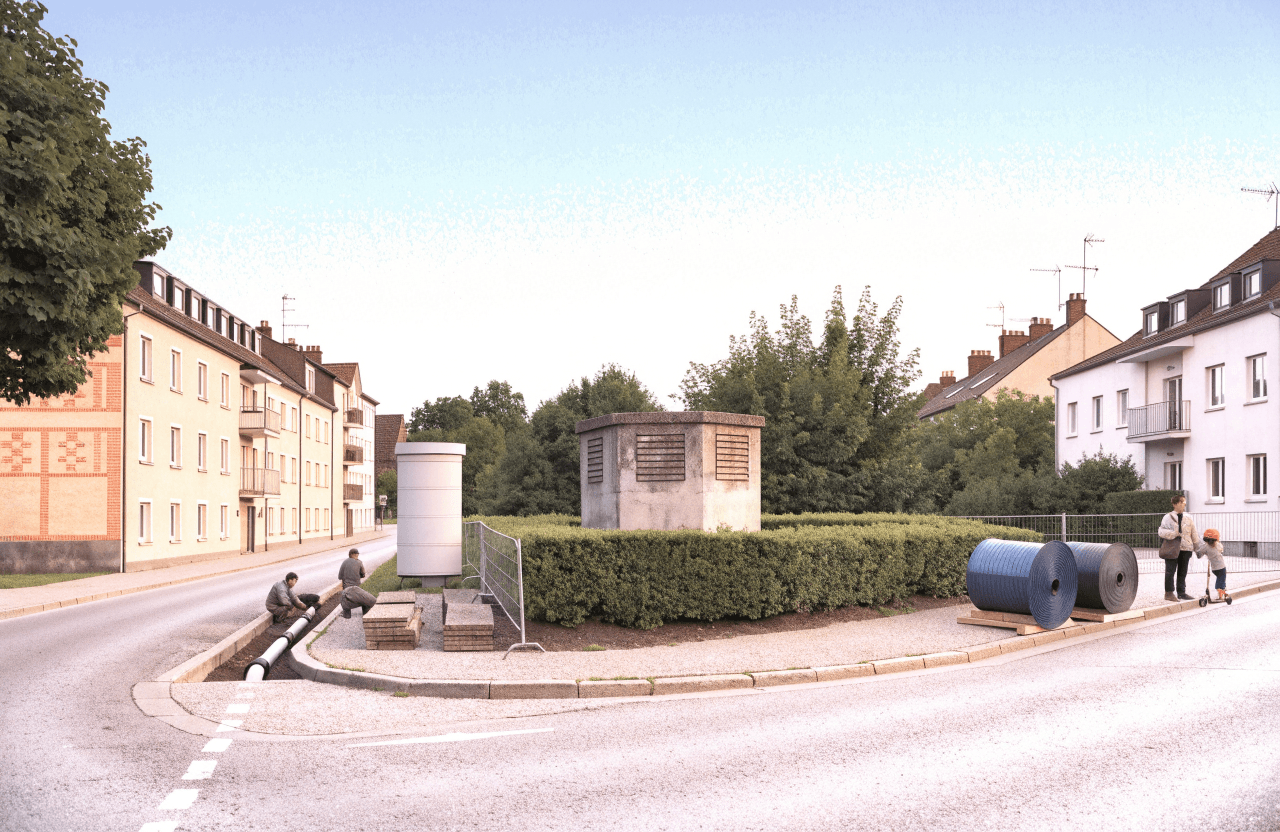
Grid queues, data centres and heat from waste
The grid is full: what happens when a city's energy transition runs out of wire?
Dutch firms queue for a grid connection; in 2025 Ireland's data centres used 23% of its metered electricity, up from 5% a decade earlier. Meanwhile Dublin plans to heat Docklands homes from a waste incinerator and Zurich runs its own smart grid. The local energy transition now depends on wires, pipes and planning more than on targets. What cities are learning about the physical limits.
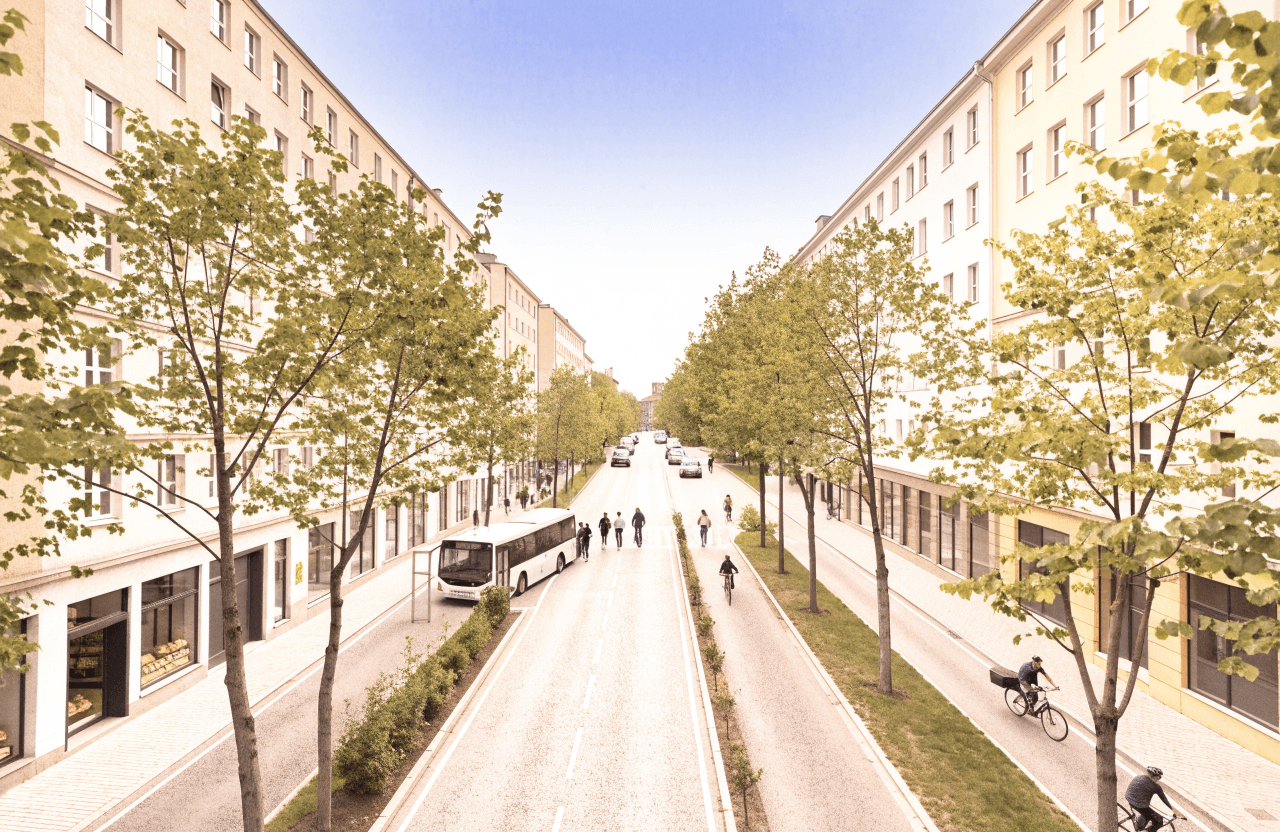
Charges, buses and bike lanes, measured
What actually gets people out of their cars?
New York's congestion charge, Dublin's redesigned bus network, Boston's free routes and Copenhagen's cycle superhighways all have their first results. City travel surveys from London, Berlin, Barcelona and Warsaw show how slowly the car's share moves. What the evidence says works, what was oversold, and why a bike lane can sit empty.
Browse by topic
All topics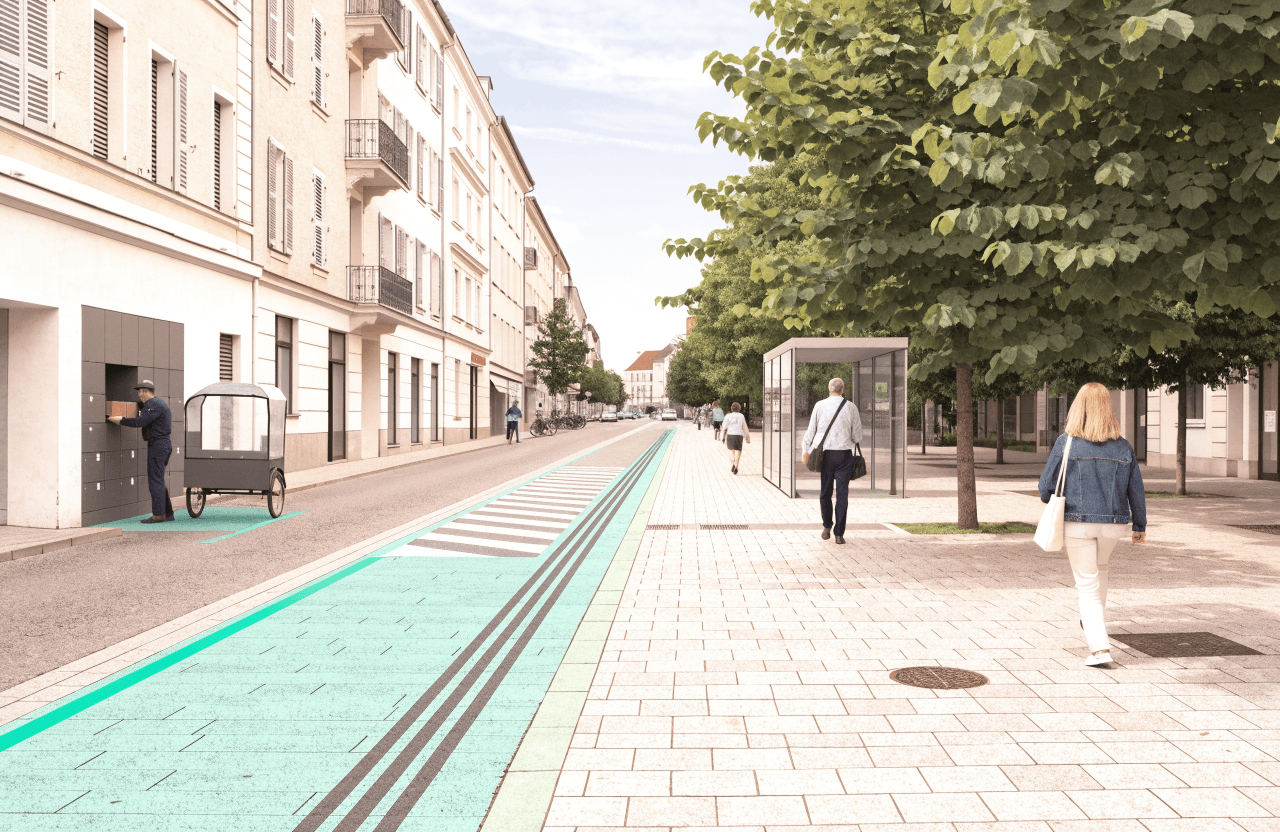
Mobility & Urban Logistics
Moving people and goods more efficiently and sustainably across cities.

Energy & Environment
The natural world and the infrastructure that sustains it.

Built Environment & Liveability
Designing the physical city for the people who live in it.
Digital Infrastructure & Data
The connective tissue of the smart city.

Governance & Civic Innovation
How cities are managed, how citizens engage, how cities cooperate.
Do you want to get involved?
Subscribe to our newsletter and we'll keep you posted! Are you a city, startup, company, or institution interested in joining? We'd love to hear from you!